All improvements count however small. We like to cemebrate them all on the forum 
3 Likes
I work at it too - progress is super slow but progress is progress and is moving in the right direction so I try and look at that in a positive way
4 Likes
Hi Gary, I am a newbie to this site so have no words of wisdom. I am just past three months post right thalamus stroke. I will say this is the most supportive group of people so willing to share their experiences and what they have learned. I am in the US and we do not have anything like that here. I am so grateful to have run across it while searching for some answers,
All the best to you and Richard.
Lane
3 Likes
My stroke was 3 years ago. I was in a coma for a week and my wife later told me that I was predicted by nursing staff to not have a good chance of surviving. So, when I did rejoin the world I was grateful to be alive. I’m 66 now and officially retired and getting my pension so financially, we can manage so no money worries like there would have been if I’d been 10 years younger. I walk with a stick and that will never change but I’m able to count my blessings because it could have been so much worse. Another stroke patient in the next bed to me went blind and he lived near enough to me for me to have found out that he hasn’t regained his sight. Once again, I think I’m lucky.
4 Likes
It’s so wonderful for me to read that you are walking again albeit clumsily.I had an aneurysm (burst blood vessel in May 2021.i’m wheelchair bound because the physio at the rehab hospital I was at RHN believed I wouldn’t walk again because of the contractures to my tendons ligaments and muscles in my legs due to inactivity.He said I needed surgery to correct this and my orthopaedic appointment isn’t until September! believe I can walk but have never been given the opportunity as the physio said I’d break my ankles if I did because my feet are no longer at right angles to my legs.
3 Likes
Hopefully the orthopaedic appointment will put you back on track and you will walk again 
2 Likes
Really hope your orthopaedic appointment provides you the opportunity you need to get back to walking.
2 Likes
Hi, I am 19 months down the line and still trying to walk, I have no use of my left arm yet. I have progressed from tripod to stick and keep attempting to walk without. Easier around the house but outside feels really unsteady and vulnerable.
I have been very determined and positive, I too thought I could fastrack my progress but am I allowed to now say, I am properly fed up with this state. Some posts mention walking but don’t say how you got there, is it exercises or keep on shuffling to hopefully gain better balance and a gait (a trot would do nicely)
Will the brain accept this progress and effort
Annie
4 Likes
Hi Annie,
Good work on progressing from tripod to stick - this shows that you are making progress.
Outside is much harder than inside - slopes, different surfaces, people/cars going past etc. So much harder and you need to be careful but it gets easier over time. For me I am still progressing and I have gone from a shuffling gait to a more relaxed walk - still not great but better than it was. This has taken many months to achieve so to answer your question yes the brain will accept this progress and your effort but it takes a long time - stick with it and you will notice little improvements - even the smallest of improvements all add up over time.
Andy
4 Likes
It is definitely harder to walk outside. I can move around the house without my stick but outside I need it.
Some of the exercises I did initially were sit to stands & squats to strengthen my legs. I also did marching (sitting initially the progressed to standjng). Then I just practiced trying to walk. It yook a lot of concentration & lots of stumbles & was very slow but it all helps to retrain the brain.
Sadly fast tracking our recovery isn’t possible but determination & practice will help you improve. Every little improvement helps build to big improvements.
3 Likes
Thank you that really helps, I am doing, bridges, squats, but mainly trying to walk! I did mange to Mow the lawn and put a few bits of washing on the line, albeit painfully slow, but so satisfying when achieved. I know my progress has been held back from fear of falling. My aim was to gain mobility first then try to sort my arm out.
4 Likes
I understand the fear of falling - a fall could set you back - that’s why I take my stick when I am outside even if I don’t think I will need it - If you have a little wobble the stick comes in handy to steady yourself and when I am walking I try not to use it
3 Likes
Hello Annie - Of course you are allowed to say you are properly fed up. It always helps to get the negative energy, bad feelings and anger out of your system.
But to counter that you can also reward yourself with positive thoughts. You may have heard of “Gratitude”. The idea is each day you think of something you are grateful for and say it or write it down in a journal.
As an example, I will use this post.
“I am grateful I have been afforded the opportunity to say something nice to Annie who is feeling a bit peeved”
Wrt your walking, I will relay a real life story. One of my neighbours, an elderly gentleman had a stroke which affected his speech and physicality. He had to learn to walk again and once he was able, I used to see him out regularly come rain or shine walking with his stick. Occasionally I would stop and have a chat with him and he enjoyed the rest and the chat. The thing was he kept walking and walking and walking and his gait or walking style improved and he got faster. In his case he just walked around the block of houses in the streets where we live. Maybe a mile or two circuit and he would do it sometimes twice a day and he would rest by sitting down on front garden walls and people got to know him and would acknowledge him.
I am sure he benefitted in many ways from doing this; exercise physical, fresh air (luckily there is little traffic here so not too much petrol fumes), sun on his face, rain on his head, chatting to people, getting encouragement. That’s just for starters.
I am guessing, as with many things, practice will lead to perfection. The key is not to give up.
This gentleman didn’t do anything “exceptional” - he just walked and walked and walked and by golly his health and wellbeing improved and it was there for all to see.
Listen to your body and listen to your brain.
Try and push a bit further/harder but not too much to cause injury and you will see the difference.
If you want to walk, you have to start walking. If you can’t walk yet, start crawling like a toddler and build up.
I wish you success

2 Likes
It sounds to me that both you and @andyhm are at a similar stage in your walking progress that I was at, at just over a year post stroke. The stage where walking was not nearly enough to get me to the point where I wanted to be in my walking gait, balance and stability. And very frustrating,
With my balance issue, poor memory, poor cognition and still very poor speech and communication skills (aphasia), to even attempt trying to explain my issues with anyone, even my family was difficult.
But things were just starting open up again after covid.
I although I couldn’t speak, but I could do!
So I searched online for what I needed and might be available to me locally that could aid my progress.
And that’s where I discovered AgeUK did a Strength & Balance class once a week just a 5min drive away, fortunately, so I joined that and never looked back. I couldn’t have gone alone at that point but my mother-in-law was happy to join and it did her the world of good too. Some months later, when I was back driving again, I joined a gym to do more weight resistance training to build up more muscle mass in my stroke arm and leg and improve upon balance and stability. All necessary stuff to improve your general walking gait.
As you know now, there is no fast track to recovery.
To improve gait, focus on exercises that enhance balance, core strength, and leg muscle power, while also being mindful of your walking form and stride length. Incorporate activities like balance training, leg lifts, and heel/toe raises, and consider using assistive devices or seeking professional guidance if needed.
Here’s a breakdown of how to improve your gait:
- Balance and Core Training:
- Balance exercises:
Practice standing on one leg, holding onto a chair or counter for support if needed. This helps improve stability and reduces the risk of falls, especially when walking on uneven surfaces.
- Core exercises:
Engage your core muscles while walking by slightly contracting your abdominal muscles. This improves posture and balance, allowing for more efficient movement.
- Leg Strengthening Exercises:
- Leg lifts:
Lie on your back with one knee bent and the other leg straight. Raise the straight leg towards the ceiling, keeping your toes pointed up. This exercise strengthens your quads, hip flexors, and abs.
- Heel and toe raises:
While seated, lift your heels off the ground while keeping your toes planted, then switch to lifting your toes while keeping your heels down. This improves ankle flexibility and strength.
- Step-ups:
Use a sturdy step or platform to practice stepping up and down, alternating legs.
- Gait Training Exercises:
- Obstacle courses:
Create a simple obstacle course with rolled-up towels or books and practice stepping over them, alternating lead legs. This improves coordination and stride length.
- Backwards walking:
Practice walking backward in a safe, open space. This challenges your balance and coordination in a different way.
- Sideways walking:
Walk sideways, leading with one leg and then the other, while maintaining balance. This can be done along a wall or with support from a stable surface.
- Walking Form and Technique:
- Stride length:
Shorten your stride if you tend to overarch your back while walking. Lengthen your stride gradually as your muscles adapt and tissues lengthen .
- Foot strike:
Aim to land on the heel and roll through to the toes. Avoid landing on your toes or the outer edge of your foot.
- Arm swing:
Swing your arms naturally, allowing your shoulders to counter-rotate while you walk. This promotes a more efficient and balanced gait.
- Posture:
Maintain an upright posture with your shoulders relaxed and your head held high. This helps to optimize breathing and balance.
- Considerations and Precautions:
- Consult a physical therapist:
If you have persistent gait problems or are recovering from an injury, consult with a physical therapist for personalized guidance and exercises.
- Listen to your body:
Pay attention to any pain or discomfort and modify or stop the exercises if needed.
- Warm-up and cool-down:
Always warm up before starting your gait training exercises and cool down afterwards with gentle stretching.
- Consider assistive devices:
If you have difficulty with balance or stability, consider using a cane or walker for support.
- Use orthotics:
If you have flat feet, rolling foot or other foot problems, consider using orthotic inserts to provide support and improve your gait.
Sorry, I started this post several days ago but didn’t have time to finish it. 
Lorraine
4 Likes
2 Likes
My husband could have written this. He had his stroke Jan 17 2025, and still struggles with walking. A bad walk that’s not even far can fatigue him for days. He is also waiting for an MRI referral as his back problems push his body forwards and he goes off balance very quickly. I know that 6 months isn’t really that long all things considered but still very frustrating. It’s really good to hear that you’ve achieved 1200 steps. I hope you keep improving.
3 Likes
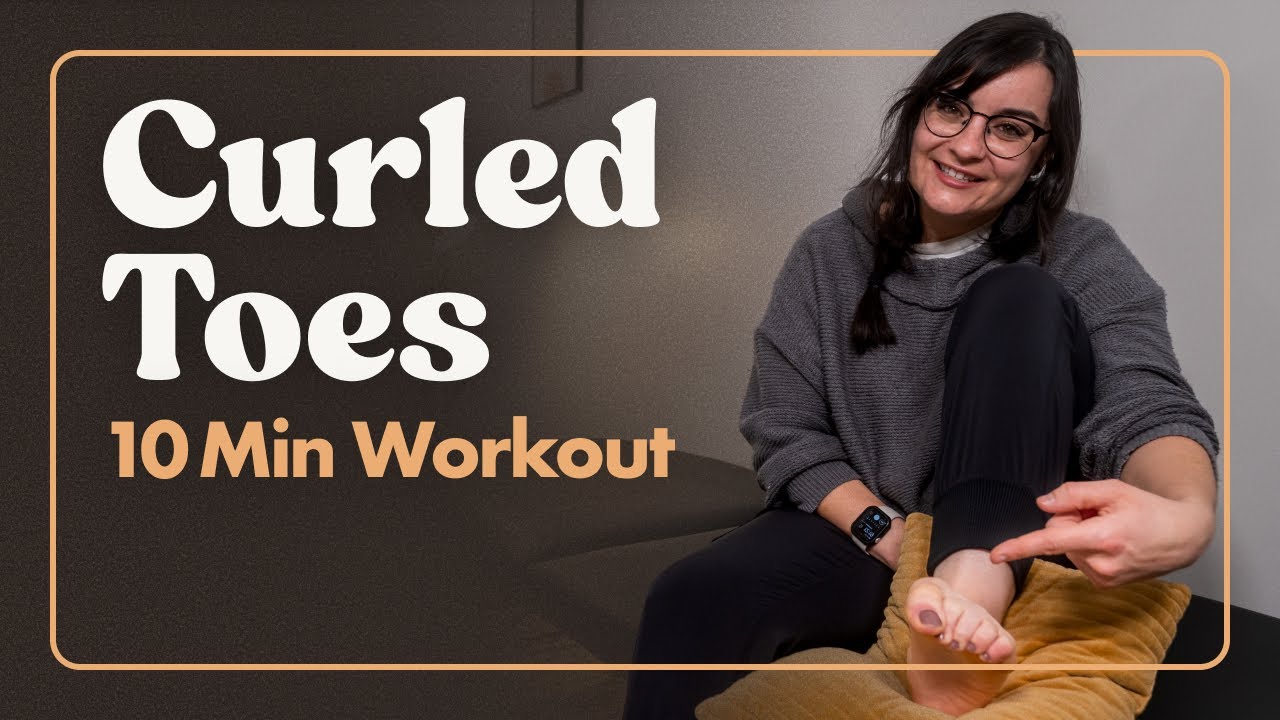
My husband had a haemorrhagic stroke Nov 24. He has tried and tried but 9 months later is still unable to walk. He can walk the length of our lounge very slowly (about 20ft) with a quad stick and me there incase he falls. His affected leg and foot holds him back as his toes are all bunched up. He is also very fed up. He is getting very bad backache now too. We have been so disappointed with physio support.
2 Likes
Has physio not recommended any kind of foot splint to help with his walking? If not then you should ask about it.
My toes curled! This in turn makes your foot roll sideways and you risk spraining or breaking your ankle and falling!
So naturally, this issue is going to have a knock-on effect to his progress. It’s bound to be holding him back, just as it did for me. You just can’t walk with any kind of confidence or sure footed if you can’t trust your foot.
I managed to correct mine, for the most part, but it did take a couple of years. But my stroke wasn’t as bad, so I did manage to build up some distance in my walking. So to prevent that ankle turning I started wearing a sloped insole in my shoe. And that made a huge difference for me. But we are all different and I was also able to go to a gym and other fitness classes to work on all my stroke issues. And one day there, I felt a big click in my foot whilst doing hamstring curls and, whatever it released, my toes stopped curling. But I still wear the slopped insole.
Lorraine
3 Likes
Thanks @EmeraldEyes. You have done really well.
We did ask one of the physios and she said those braces are only effective for foot drop and he doesn’t have that. The toes on his affected foot curl under.
We are off for his gym session in an hour or so. He enjoys that but the next day he aches but is sure it is doing him good. Last week, for the first time, she got him stepping up on one of those fitness steps.
4 Likes
These are good aches, so don’t worry about that. Muscles have to rear in order to expand hence the aches and pains. That’s where the phrase ‘no pain no gain’ stems from. And so the more he does the easier those aches will get as the muscles grow and strengthen.
If physio are not doing anything for the toes curling, then maybe get referred to a podiatrist, or go private if you can afford it. There are things out there that can be done, tapping and splints, toe separators and props, specific exercises and stretches.
The internet has all sorts of advice, it’s just a matter of finding which ones are best suited for your husband’s issue. He may even need to be referred to orthopaedics, but we all know how long that might take. So in the mean times he has to work on it himself any way he can. That’s the trouble with recovery from the physical disabilities of stroke, we can’t afford to sit still with them or wait for outside help, we have to keep on moving forward or things can regress.
Lorraine
3 Likes