Good morning everyone. I have always lived in a healthy way and eaten well. After my second stroke I obviously wanted to do everything to avoid further and the only thing I could really improve on was food/diet. I was never one for junk food though the very occasional Maccys was not out of bounds (but not burgers (IBS)) and of course fries😋. No more now.
The benefit has been learning how to do a decent poached egg (easy as it turns out) breakfasts now mainly that or fish (mackerel sardines etc). Nice when fresh but tinned in tomato is a favourite - i believe that is good but anyone any advice?
Afternoon/evening main meal ive tried to follow the Mediterranean with some success - fresh veg with chicken etc potatoes boiled but also pasta ive read is good - so bolognaise amd the like. Slow cooker is a favourite. And I have a bread making machine.
Just interested what others do and any tasty suggestions- I may add that although family are close i do live on my own so I can’t cook big! - but do eat well! Appetite sometimes not there but that changes once food is done!
My thinking is to eat healthy must be tasty but not become a pain when out - ie know the healthier options eg at kfc (rice box meal) so I can join in be sociable particularly with the kids but without being stupid or be “the one who doesn’t eat”. Life must go on.
I hope I can share some ideas if they are any good and also ask to pick everyone’s collective brain!! God willing we can all help each other as usual.
My breakfasts normally consist of fruit and yogurt or poached or scrambled eggs. Quite often I eat a salad for my lunch. Evening meals can vary quite a lot but I do like the slow cooker and we’ll often make up a large batch of stew, chili, bolognese or that type of thing and then freeze. That helps make midweek meals easier as I just need to heat it up rather than cook from scratch after having been at work. Do I eat healthily all the time? Absolutely not. I struggle to keep a healthy weight and therefore I do eat some higher calorie foods that aren’t necessarily that healthy. We all like a treat don’t we. It sounds to me like you are eating pretty healthily already.
Not least relieving my guilt of the hot chocolate and biscuit with the kids yesterday . Stupid I know we have to achieve a balance well the snacks are normally cut out now anyway.
Being a bloke im not a big fan of fruit but force down an apple and I love bananas (good for potassium im told. Otherwise breakfast is eggs, or fish (like sardines ( Tinned usually) on toast) or porridge. I’ll think over fruit it would be a good alternative.
Salad for lunch - i like the sound of that and give it a try (it’s usually toast atm). Trouble I will have is keeping a quantity of it fresh being just 1 of me but there must be a way. Amd find some suitable dressings?
Evening meals I do often make enough for 2 days but you’ve made me think of bigger cook and freezing for convenience as much as anything.
Thanks Mrs 5k your thoughts are much appreciated and also reassuring. And you are so right we do enjoy a treat and thats important too.
Humanity has thrived certainly not because of a set diet with the necessity for correct quantities and particular ingredients.
Mankind thrived because of adaptability. If there is only grass seed he can get by on that, during fruit season what dropped off trees would fill him up, when he couldn’t see anything he’d delve in the earth and find roots and other plant material.
For a change especially when there was plenty a handful of insects could satisfy hunger as could all sorts of stuff fetched from the sea.
Generally the diet would be varied with what was currently available being how the decision of what to eat was decided.
The way modern social order works has stood many things on their heads but I believe variety and moderation are the key words as far as diet is concerned.
If times of shortage return I assure you as long as there is something, anything, to eat then it will be just fine.
Eating healthy? Yes it is.
Starving is darned uncomfortable and not so good.
Thanks Bobbi - you are correct of course. I am probably over sensitive atm and am very aware of compatibility with medication and also excess salt and sugar, processed meats and stuff…… i think in the end it will come down to that - just avoiding the excess and the worst of the “bad” stuff. Like u say As a species we have evolved to eat almost anything and living like a hermit is not natural!
Thanks for injecting a bit of balance mate - hope u r keeping well.
Pando - superfoods? As you can see im starting to get a bit of balance possibly a mistake to go over the top as I was which is something different to being aware of what’s good. Keen to add to the repertoire whatever and everything helps if you can say or advise.
I eat a lot more healthily, but I also eat some not so healthy foods. For me it is all about balance, as long as I am within my weight range and don’t eat too much not so good stuff, I am happy with that. Same with booze.
For me it’s all about restricting carbohydrates, or balancing them with fibre at least. The idea is to keep glucose spikes under control, meaning less inflammation and a lower risk of nasty bits of plaque flicking off and lodging where they shouldn’t. I’ve found that the Harvard plate model works well for me, where I’m aiming for a maximum of 25% healthy carbs, 25% protein and the rest being other vegetables, particularly leafy greens. That means that I can have a few chips as long as I’ve got a decent side salad. I’m eating a lot of salads. Breakfast was the hardest meal to crack, but I’m finding that Skyr sprinkled with seeds and a few berries works well for most days, with the odd healthy fry up (this morning was poached eggs, a bit of bacon, fried mushrooms, peppers, tenderstem broccoli and tomatoes).
When I’m shopping I’m paying close attention to nutrition labels, looking for at least a 1:5 ratio of fibre to carbs. Worse than that, I don’t buy it. Snacks are pretty much gone, if I have anything it’s a handful of nuts or sliced apple with peanut butter (my daughter’s suggestion, surprisingly good and balances fibre, protein and carbs quite well).
It seems to be working in that I’m feeling good, I’m at least 10kg lighter than I was a year ago and I’m still enjoying my food. If I miss anything it’s bread, which I used to enjoy making.
Here’s a good combo to get u started : Beef & cabbage = least inflammatory food !
This combination has a very solid scientific basis for being powerfully anti-inflammatory.
Why This Combination is So Effective
The power of this meal comes from the synergy between the two ingredients, each bringing its own set of anti-inflammatory benefits.
1. The Anti-Inflammatory Power of Cabbage
Cabbage is a cruciferous vegetable and a superstar in the anti-inflammatory world.
Rich in Antioxidants: It’s packed with vitamins C and K, and powerful plant compounds like anthocyanins (especially in red cabbage) and sulforaphane. Sulforaphane, in particular, is renowned for its ability to block enzymes that trigger inflammation.
High in Fiber: The fiber in cabbage supports a healthy gut microbiome. A healthy gut is crucial for reducing systemic inflammation, as an imbalance in gut bacteria (dysbiosis) is a major driver of chronic inflammation.
Contains Choline: Cabbage is a source of choline, a nutrient that helps maintain the integrity of cell membranes and reduces inflammation.
2. The Role of Beef (With a Big Caveat)
The inflammatory potential of beef is highly dependent on its quality and the animal’s diet.
Lean Protein: Protein is essential for tissue repair and producing antibodies and enzymes that regulate inflammation.
Key Nutrients:
Creatine & Carnosine: These compounds have been shown to have anti-inflammatory and antioxidant properties within the body.
Heme Iron & Zinc: Highly bioavailable forms of these essential minerals, which are crucial for a well-functioning immune system.
Vitamin B12: Critical for nerve function and blood cell formation.
The Critical Caveat: Grass-Fed vs. Grain-Fed
Grass-Fed & Finished Beef: This is the key to making beef anti-inflammatory. Grass-fed beef has a much better Omega-6 to Omega-3 fatty acid ratio. A balanced ratio (ideally 4:1 or lower) is anti-inflammatory, while a high ratio (common in Western diets) is pro-inflammatory.
It also contains higher levels of Conjugated Linoleic Acid (CLA), a type of fat with anti-inflammatory properties.
Conventional Grain-Fed Beef: This beef has a much higher Omega-6 to Omega-3 ratio (often 20:1), which can promote inflammation if consumed frequently as part of an already imbalanced diet.
The Synergy of the Meal
When you combine them, you get a powerful effect:
The cabbage provides the antioxidants and fiber to combat inflammatory free radicals and support gut health.
The (grass-fed) beef provides high-quality protein and key nutrients without the inflammatory omega-6 overload of conventional beef.
It’s a complete meal: It provides protein, healthy fats (if using a fattier cut), and a large volume of fibrous vegetables, which helps stabilize blood sugar. Stable blood sugar prevents spikes in insulin, which is itself a pro-inflammatory hormone.
So, is beef and cabbage the least inflammatory food?
It’s more accurate to say that a meal of grass-fed beef and cabbage is an exceptionally strong anti-inflammatory combination due to the powerful synergy of nutrients and compounds they provide. For a person without specific sensitivities, choosing grass-fed beef and pairing it with cabbage prepared in a healthy way (not deep-fried, for example) makes for one of the better meals you can eat to help combat chronic inflammation.
Bobbi - you are truly amazing and your words of wisdom always resonate
You are a mentor and educator for many, including me or especially me and I respect your no nonsense approach.
If you will allow, I would like to disagree with you on this particular notion. Although starving might be uncomfortable to start with, it is something you can get used to and becomes less uncomfortable and I believe that is actually good for you as it resets your digestive system. Strictly speaking I am referring to starving as “fasting” e.g. for a day or part of a day.
We (humans) have been practising this since the dawn of time for the very reasons you outlined in your words of wisdom. In this day and age when we consume much yunk food, I think fasting is even more important and appropriate.
So yes, it might be uncomfortable when you first embark on it, but your mind and body soon adjust and it is actually good for you.
Encouraged by everyones posts im enjoying that green leafy stuff! I Always have liked a salad usually as an accompaniment but it seems there is more potential….. also…. Any suggestions re suitable dressings? Ive always enjoyed mayonnaise but is this healthy? And are supermarket brands a viable option. Very grateful for any wisdom
Also - getting into fish and wondering what is good with it (I know chips and mushy peas but looking for a healthy option). Is there such a thing as fish casserole? What veg works with it? Any suggestions/help please.
Sorry the dumb questions - I can cook but I think it fair to say im not a natural - And no point in experimenting and getting it wrong!
I’m having crustless salmon and broccoli quiche for lunch, with salad so that covers both of your questions! The quiche was my wife’s invention, she eats gluten free and I restrict carbs so losing the pastry seemed like a good idea. For salad dressing I like avocado oil, but today I’ve piled some olives on it so used some oil from them. I’ve been sprouting beans to add to my salads as well, and I’ve become very keen on the seed salad toppers that you can get in supermarkets. Anything to raise it above a few leaves.
Wow - thanks Harimanjaro that looks lovely I’ll look up how to do quiche it’s not something I’ve ever done and it looks lovely- I’d never think of that for fish. I’ll have a try with avocado oil too. You’ve given me something to aim for there!
Ooooh! That fish stew looks Great I’ll give that a try thanks.
I did wonder about jacket potato. Air fryer chips like you said Dont have to avoid bad stuff all the time. I’d think making my own chips in the air fryer would be good? What can go wrong! Lots of great ideas. Im intrigued by crustless quiche I’ll look it up.
I’ll try the balsamic Dressing too. Salad cream ive never tried! Always mayo in the past. It will give added variation to the mix.
I simply season with salt and pepper and then drizzle on olive oil and a squeeze of lemon juice. You will soon work out the amounts to suit your taste buds. Then toss he salad - I simply use my hands to dig in and mix.
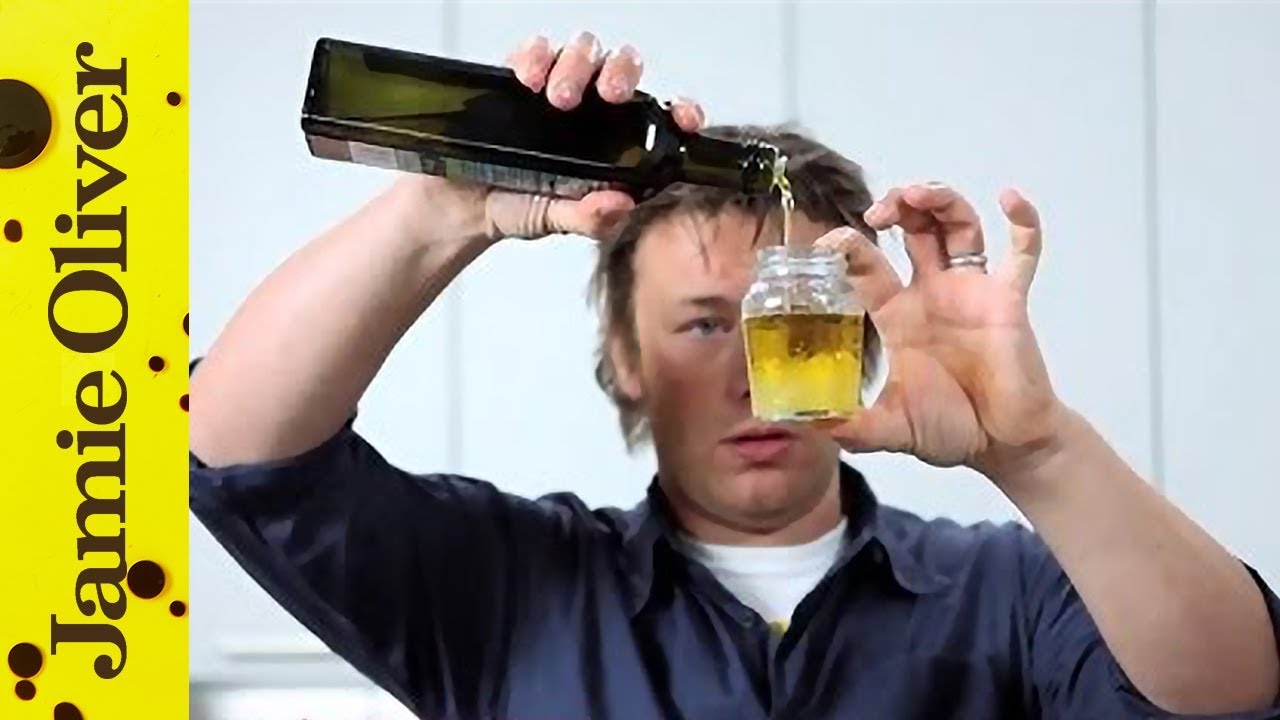
A variant of the above (you can look this up on YouTube) is dressings made in a jar - Jaime Oliver style.
In a jar, I add 3 parts olive oil to 1 part acid (lemon juice, white/red wine vinegar, a touch of apple cide3 vinegar). Then add salt and pepper and some minced garlic (I can add up to 5 cloves in a small jar) but again you play around to find the taste that works for you.
Home made mushy peas - very healthy.
Frozen peas, cooked in olive oil/butter and milk. Mashed to make super yummy mushy peas.
I never buy salad dressings and make mushy peas as above.
Healthy chips - Sweet potato wedges
Before I forget, and of course I haven’t forgotten, Rupert @Rups has promised to share his special secret recipe for a leek and potato soup - soups are also super healthy
 . Stupid I know we have to achieve a balance well the snacks are normally cut out now anyway.
 im not a big fan of fruit but force down an apple and I love bananas (good for potassium im told. Otherwise breakfast is eggs, or fish (like sardines ( Tinned usually) on toast) or porridge. I’ll think over fruit it would be a good alternative.