Hi i. 61 had a small brain bleed 2 months ago
Was a fit but not to overweight bloke
I had a small brain bleed two months ago
Im struggling
Ib
Ive been given the all clear
But i am on bp meds with loads of side effects which stress me out
I stopped taking them before because of this
My bp is not good i cant callm down
Im trying everthing meditation etc
My bp does come down eventualy
Loads of stress at home
Ive changed my diet and i swim and walk to exercise
I feel helpless and stressed.
Would love your help
Cheers
Trev
4 Likes
Hi Trev,
welcome firstly and glad you are here, like a lot of us this came from seemingly nowhere and has left again leaving a trail of behind without any knowledge of the damage it has done.
Not being medically qualified I would seek an appointment with the GP and see if there is an alternative BP medication. This may help and lessen side effects. Stress is difficult to manage but given home-life is a part of this can you get help to take some of this away , again maybe GP or social services can help here or both.
You are on the right track with diet changes and being active as well as meditation congratulate yourself on this. From experience don’t push things too much I did and had a second stay in hospital before I started figuring this out, there are many more enlightened on here than me but talking will help as well.
Good luck on the rest of your recovery journey.
2 Likes
What about exercise?
1 Like
Hi Trev, welcome to the community. A sudden brain bleed out of the blue when you thought you were fit and healthy is an enormous shock, so it’s not surprising that you’re struggling. I was the same after my TIA, but it took me far longer than 2 months to admit to myself that I was falling apart mentally. The doctors treat the physical symptom but many don’t understand the effect on mental health.
Along with the changes to diet, exercise and meditation you’re off to a good start, but takes your time and don’t push yourself too hard. It’s a long journey but it does get easier. Talk to your doctor about the BP meds, there are plenty of different ones available and it can take a few tries to find the right one. I can’t offer much advice about the stress at home, but I hope that you’ll get the support you need. Talking to people here made a big difference to me, I hope it can help you too.
3 Likes
I recommend yoga - the breathing exercises particularly help with stress - people think yoga is all about balancing but it isn’t - gentle yoga is great - or tai chi - meditation helps a lot - there is a free app called Insight Timer - loads of free meditations - you don’t have to do anything but listen to them - I use them a lot.
Good luck
MrsC
4 Likes
Hello Trev - welcome to the community.
I concur and echo what has been already said in response to your post by @Jbob , @harimanjaro and @MrsC .
Looking at your post, I am wondering why you have high BP and what causes it. Did you have high BP before your brain bleed?
You say the BP comes down eventually and you have loads of stress at home.
Could it be that your stress is raising the BP and when you calm down it falls?
If so, then think about why you are stressed at home and what you can do about it.
In the short term, what @MrsC has said is bang on the nose. Yoga, Tai Chi, breathing etc. will all help lower your BP.
But it seems to me that the cause of your stress is the thing you need to address. Your BP can be managed without meds, but it is your choice how you choose to do it.
Wishing you all the best.
Namaste|

P.S.
Have you seen this?
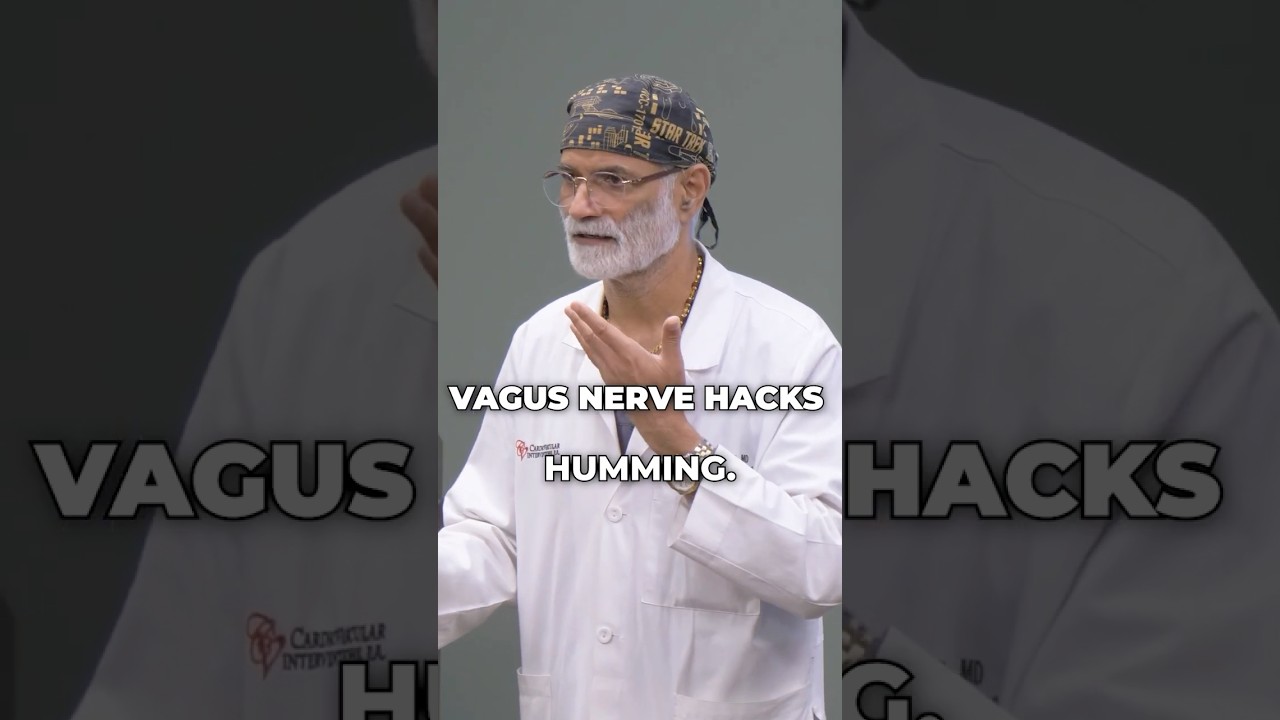
You can watch the full video - this Dr. also talks about ways to reduce BP using hacks to the vagus nerve including breathing techniques.
3 Likes
@ManjiB makes a good point about stress and BP, @Trev61. Your stress rises which raises your BP, which raises your stress… a vicious circle. Meds will help to bring the BP down, but tackling the underlying stress will keep it that way. How you get there will depend on your circumstances, but in my case being made redundant enabled me to change to a less stressful job, and after a few bumps in the road my BP is well controlled with a only a minimal dose of candesartan. I might even be able to do without any BP meds one day, fingers crossed, and hopefully you can get to the same place too.
Another thing to remember is that blood pressure is about long term management, not isolated incidents. If something winds you up then it’s normal for your blood pressure to rise for a short time: the important thing is that the overall trend is downward (but not too far, that causes a whole set of different problems). My doctor even told me to monitor my blood pressure less frequently, as measuring it was probably a source of stress in itself.
4 Likes
Hi Trev, sorry for the delay in replying ;yes gentle exercise such as swimming which is also low impact as water supports your weight and kinder to your joints. Walking also is great I live semi rural in Scotland and have great local walks on my doorstep which I have utilised. As others have suggested tai chi or yoga are great to, I intend to return to martial arts when I can but now in my 50’s may have to accept that I can’t hold pace with the youngsters now. If not tai chi is my next goal if people all over Asia can do it into their 90’s shows how effective it is.
Possibly without preaching you may need help at home first, I realised this was part of my stress/ anxiety cycle as kept being told by others how to feel when I was still trying to work things out which caused no end of issues for me.
3 Likes
Hi @Trev61 sorry to hear of your stroke but welcome to our community snd I hope you will find this a useful place to be.
I can see that you have already received some good advice and tips. My one go to before my stroke if I was feeling stressed was to take a good long walk in the fresh air, even when the weather is not great, nothing like a blast of fresh air to blow the cob webs away. As others have said speak to your GP regarding medication.
Sounds like you are doing all of the right things and I’m sure things will slowly improve as your road to recovery continues.
Keep up the good work
Regards Sue
3 Likes
Hi @Trev61 & welcome to the community. Having a stroke is a big deal & anxiety is normal afterwards especially if you don’t know what has caused it.
I would echo what everyone has already said. You need to find a way to get your BP under control whether that is through meds or lifestyle changes. Finding a way to manage uour stress can only help. High BP in itself can also make you anxious & stressed. If you struggle with BPmeds talk to your GP& see if they can offer alternatives that may suit you better. A good diet & exercise will help too. Walking & swimming are great forms of exercise & yoga could help you relax a bit.
Best wishes
Ann
3 Likes
Aye, I went through a stage of monitoring and recording my BP three times a day. For me, it was not helpful and caused me unnecessary, stress. The numbers fluctuate depending on time of day and what I had been doing or thinking to do at the time, so I ended up with such muddled results.
2 Likes
When I was in hospital my blood pressure was a bit too low if anything. I endure panic disorder so along with all the good advice about breathing and calming exercise, I would add that mind blanking can help with stress, it doesn’t have to be exercise but some repetitive activity, mine used to be splitting wood and gardening, I still practice gardening, but also focused cleaning or even counting things can mind blank. I play video games to help ground me and find taking a bath helps manage stress. I find ambient drone and drift sounds soothe, soft classical music, singing bowls and Gregorian chants help me tune out and calm. I take a few deep breaths of lavender oil to settle my mind at night and sometimes in the morning. I was never a fan of the taste of camomile but am now having it in a mixed tea of ginger, lemon and turmeric at night. All these things can be beneficial inclusions in one’s arsenal of managing stress but I am not sure how it relates specifically to blood pressure as I think mine is okay, however, if I have panicky thoughts or am stressed, I am sure I can feel my blood pressure rising.
2 Likes
Hi @Trev61
Welcome to the community, I’m sorry to hear about your stroke.
Having a stroke can bring about lots of stress and anxiety so well done on changing your diet and exercising these are great ways to help bring your blood pressure down. As others have mentioned finding the root cause of stress is also a good idea, you could maybe keep a diary to see if you can find any patterns.
I hope you’ll find this community helpful for your recovery. If you need any help whilst you’re using the Online Community, please don’t hesitate to tag me using the @ symbol and my username.
Anna
1 Like
Thank you
Still feeling awful on my meds
Feel so fustrated
Got stress at the moment one of my two dogs is dying of cancer
Feel absolutely helpless and confused
Cant see an end to all this
1 Like
Nothing ever happens quick enough in stroke world. Healing can be painfully slow and it’s never enough. Some days are all about just getting through the moment. Nobody ever said it was gonna be easy, and they were right. This is overwhelming, seemingly insurmountable some days. A serious brain injury coupled with a sick pet is almost too much to ask for someone to deal with. Yet here you are in a position most people will never be in, and even more people can’t possibly understand. We’ll, the folks in this forum understand and I hear you loud and clear. Your wounded and in survival mode. I hope you’ll take some of the advice you’ve received here. Yoga, breathing, tai chi, supplements, grounding, therapies, try it all. I never found one particular therapy worked for everything. I did find that little piece of this and a little piece that were beneficial. On second thought, there is one thing that day in and day out could bring relief. That thing is people. People who just listen, without asking questions, without telling me what they would do in my shoes. People who engage me without talking about stroke. People who make it clear that they see how damaged I am, and more importantly, how hard I’m trying every single day with no easy days. People like the folks you meet in this forum. Your on the right track i think. In my world there are some really special days. The days when i recognize all the tenacity ive shown in the last 4 years. Of course the down days are frequent, but if I can just keep going one more day , I know the good days will return, and they are that much better after having had to really work for them. Good luck and i hope you find some relief.
4 Likes
Hi @Trev61
I’m so sorry to hear about your dog, it’s awful when a pet becomes really unwell and it can cause a huge amount of stress. I’m sorry you feel so frustrated and your meds are still making you feel awful, you should definitely speak with your GP about them to try and find something else that doesn’t make you feel so awful.
Please do try and find someone to speak with regarding how you’re feeling, talking therapies can be really helpful when we’re going through a lot, you can refer yourself for these without the need to go to your GP.
And also keep sharing on here, this is a space for you to get help and advice from people who have had similar experiences which I hope can be of help for you too.
Anna
1 Like
1 Like
Can you take it with bp meds
2 Likes
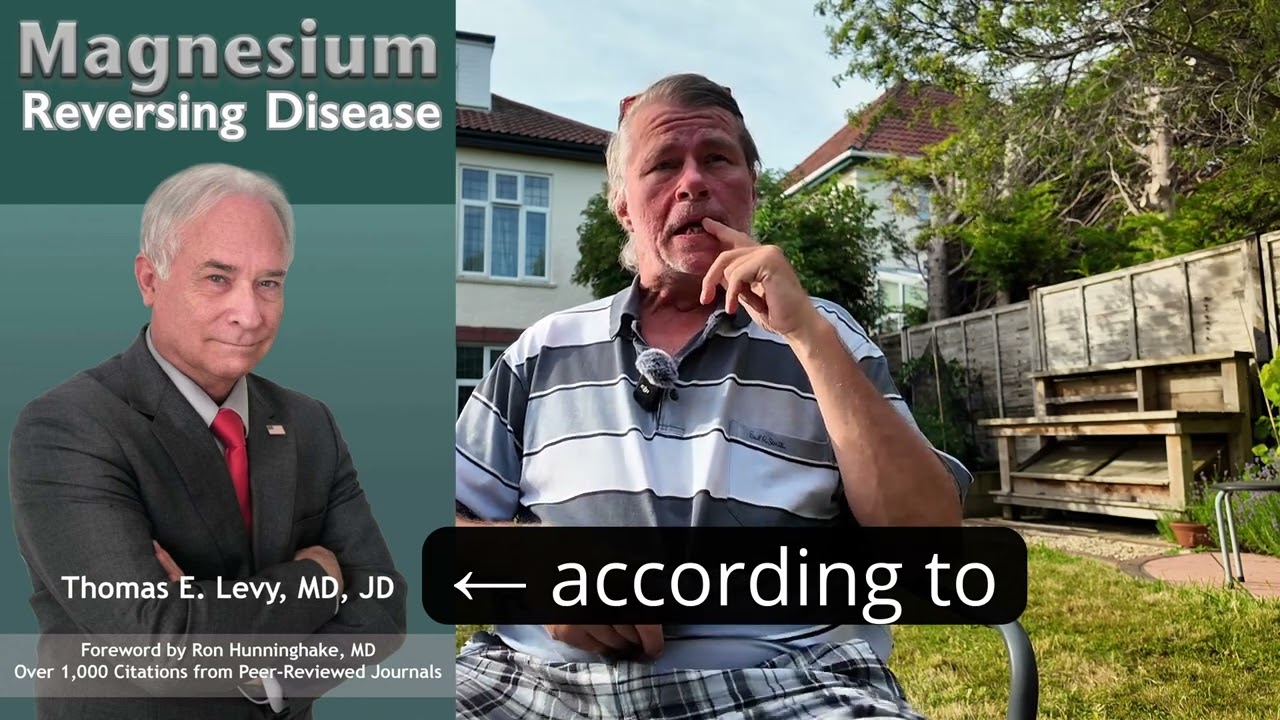
Yes, @Trev61 but magnesium (mg) in ADDITION to your bp meds might lower your bp more than you realize. The point about mg is that it is natural, and what our bodies are designed to run on. We get our energy from mitochondria that REQUIRE mg to make energy.
I asked Deep Seek if we need mg:
Of course. The short answer is yes, we absolutely need magnesium. It’s not an exaggeration to call magnesium an essential mineral for human life. It’s involved in hundreds of crucial biochemical reactions in your body. Here’s a breakdown of why it’s so important, what happens if you don’t get enough, and how to make sure you’re getting it.
Key Roles of Magnesium in the Body
Magnesium acts as a cofactor—a helper molecule—in over 300 enzyme systems that regulate diverse bodily functions, including:
- Energy Creation: It helps convert the food you eat into usable energy (ATP).
- Muscle Function: It is crucial for muscle contraction and, just as importantly, for muscle relaxation. This includes the muscles in your heart.
- Nervous System Regulation: It helps regulate neurotransmitters, which send messages throughout your brain and nervous system.
- DNA and Protein Synthesis: It is involved in creating and repairing DNA and RNA.
- Bone Health: About 60% of the magnesium in your body is stored in your bones, making it vital for bone structure and strength.
- Heart Rhythm: It helps maintain a steady heartbeat by conducting electrical signals in the heart.
- Blood Sugar and Blood Pressure Control: It plays a role in insulin sensitivity and helps regulate blood pressure.
What Happens if You Don’t Get Enough? (Magnesium Deficiency)
While severe deficiency is rare in healthy individuals, mild to moderate deficiency is relatively common. Symptoms can be subtle and easily mistaken for other issues.
Early signs of deficiency may include:
- Loss of appetite
- Nausea and vomiting
- Fatigue and weakness
More significant symptoms can involve:
- Numbness and tingling
- Muscle cramps, spasms, and tremors
- Personality changes, anxiety, or “brain fog”
- Abnormal heart rhythms (arrhythmias)
- Coronary spasms
- Seizures (in very severe cases)
Who is at risk for deficiency?
- People with gastrointestinal diseases (like Crohn’s or Celiac)
- People with type 2 diabetes
- Those with alcohol dependence
- Older adults (absorption decreases with age)
- People taking certain medications (like some diuretics and proton pump inhibitors)
How to Get Enough Magnesium
The best way to get magnesium is through a balanced diet.
Excellent Food Sources:
- Nuts and Seeds: Almonds, peanuts, cashews, pumpkin seeds.
- Leafy Green Vegetables: Spinach, kale, and Swiss chard.
- Legumes: Black beans, edamame, lentils.
- Whole Grains: Oats, quinoa, whole wheat bread.
- Dark Chocolate: A delicious and surprisingly good source.
- Avocados and Bananas.
- Fatty Fish: Like salmon and mackerel.
What about supplements?
Magnesium supplements can be beneficial for people who are deficient or have conditions that increase their need. However, it’s always best to consult with a doctor before starting any supplement. Taking too much magnesium from supplements can cause diarrhea, nausea, and abdominal cramping. In very high doses, it can be dangerous.
Recommended Daily Intake
The Recommended Dietary Allowance (RDA) for adults is:
- Men (19-30 years): 400 mg
- Men (31+ years): 420 mg
- Women (19-30 years): 310 mg
- Women (31+ years): 320 mg
(Pregnant women need slightly more.)
In summary: Magnesium is not just “nice to have”—it is a fundamental mineral required for your body to produce energy, move, think, and keep your heart beating steadily. A diet rich in nuts, seeds, leafy greens, and whole grains is the best way to ensure you get enough.
2 Likes
I wish it could lower my bp!
Do I risk it?
DOES IT INTERACT WITH MEDS
3 Likes