My HPA Axis and Cortisol: What Three Years of Tracking Taught Me
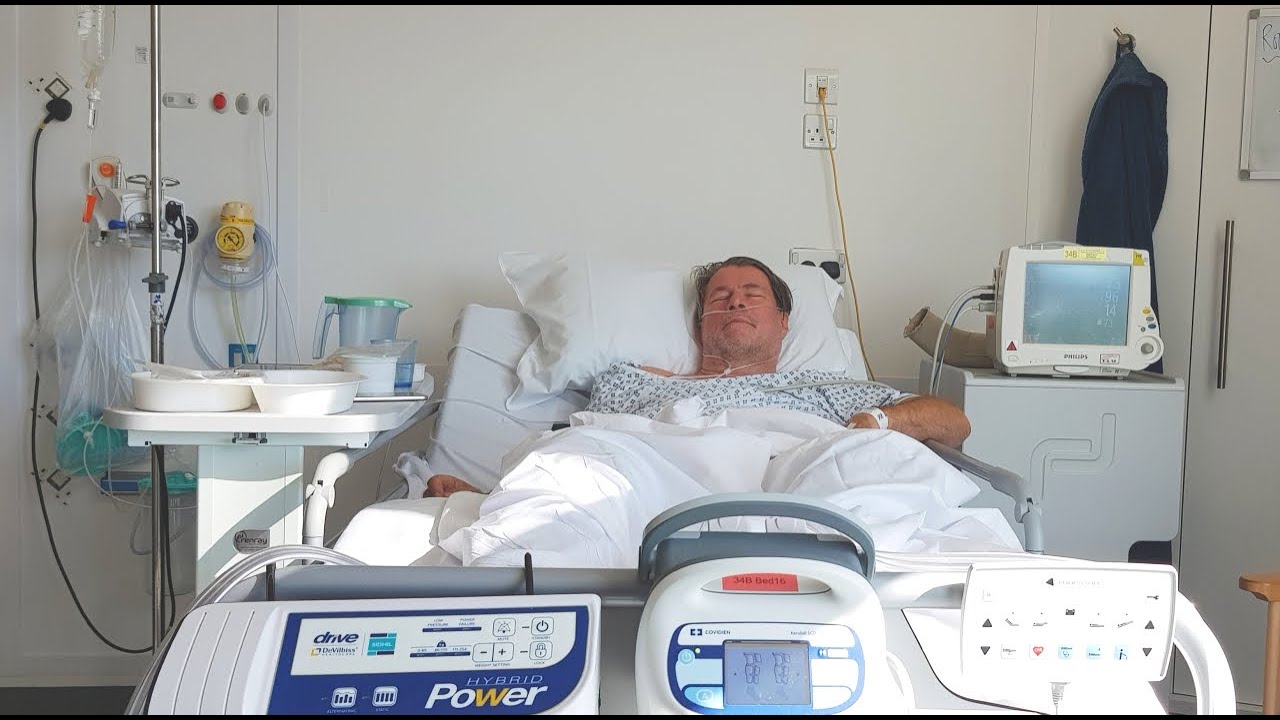
3½ years ago, I survived a severe hemorrhagic stroke. My blood pressure was 269/198. My NIHSS score was 26/42 and I spent 44 days in hospital. My chance of survival was <0.1%. I lived, but my nervous system was profoundly altered. What I have learned since then about my HPA axis and cortisol may help others who feel stuck in strange, repeating patterns of pain and fatigue.
The HPA axis is the body’s central stress response system. It stands for hypothalamus, pituitary, and adrenal glands. These three parts work together to release cortisol, a hormone that manages inflammation, energy, recovery from exercise, and the sleep-wake cycle. In a healthy person, cortisol rises sharply in the morning to wake you up, stays high during the day to keep you going, and drops at night so you can sleep. It also rises briefly in response to stress, then falls back to baseline. My HPA axis no longer works that way.
Here is why. I suffered a blood pressure spike that does 3 things that directly damage HPA regulation. First, barotrauma to the hypothalamus and pituitary. These structures sit in a bony cradle called the sella turcica and are highly vascular. Extreme pressure surges can cause micro-hemorrhages and shear injury even if the main bleed was elsewhere. Second, posterior reversible encephalopathy syndrome, or PRES. At 269/198, I almost certainly had some degree of PRES, which is swelling and dysfunction in the posterior brain, including regions that regulate autonomic and HPA output. Third, chronic baroreceptor dysregulation. My carotid arteries and aortic arch contain baroreceptors that tell my brain what my blood pressure is. After prolonged exposure to 269/198, those baroreceptors became desensitized or damaged. The result is that my brain no longer receives accurate pressure feedback, so it cannot correctly regulate cortisol or sympathetic tone. My HPA axis was double-hit: once by the hemorrhagic stroke itself, and once by the extreme pressure that preceded and accompanied it.
After my stroke, I lost all sensation on my right side for six months and then experienced three years of profound deafferentation—the complete or near-complete loss of sensory input from my right arm, hand, and leg to my brain. Without feeling, without proprioception, without any confirmation of where my limb was or whether it was safe, my damaged HPA axis had to guess. It guessed wrong, chronically. Over time, it settled into a rigid, repeating three-day rhythm that I have now tracked meticulously.
Here is the pattern. One day out of every three is a spike day. On that day, I wake up with cortisol already elevated. It stays at a steady medium-high level all day long. It does not rise further. It does not fall. There is no morning peak, no evening peak, no natural variability. It is a flat, stuck line. Then, during sleep that night, the system completely switches off. Cortisol drops to normal. The next two days are free days, with no cortisol elevation at all. Then the cycle repeats. One spike day, two free days, one spike day, endlessly. This 72-hour rhythm is not triggered by anything I do. It is autonomous, likely set during those three years of deafferentation when my brain received no sensory feedback. The spike day is also my fibromyalgia day. The burning pain arrives exactly when my cortisol is stuck flat and medium-high. My body has enough cortisol to survive but not enough variability to manage inflammation properly.
Over time, I have found several things that help, even though I cannot break the cycle. The most powerful has been Earthing, also called grounding. That simply means bare skin on grass or soil. I now ground myself for fifteen hours a day, on grass and through a copper rod installed in the earth outside my home. Earthing supplies my body with a steady flow of electrons from the Earth. These electrons act as antioxidants, neutralizing free radicals and reducing chronic inflammation. Earthing also stabilizes my body’s electrical potential, reducing the random noise that keeps my HPA axis in a state of low-grade alert. This has lowered my baseline cortisol and reduced my pain by eighty to ninety percent.
I have also learned to use fasting and cold water strategically. By skipping dinner the night before a spike day, I lower my inflammatory load before the wave peaks. On the spike day itself, I run my foot and hand under cold water. The cold forces a sharp, brief cortisol spike followed by a drop below baseline, overriding the flat, stuck pattern. The cold also activates my vagus nerve, which calms nerve firing. Fasting works from the inside. Cold water works from the outside. Together, they do what my HPA axis cannot yet do alone.
I have also found that remineralization matters, especially saturating my body with magnesium. Along with MSM and iodine, this helped my nervous system find the raw materials it had been missing. My sensory recovery accelerated this spring. I can now feel my right arm and hand and walk one kilometer without a stick. I do not have all the answers. My three-day cycle is still there, though much reduced. But I have stopped blaming myself. My HPA axis is not broken beyond repair. It is rigid, stuck in a pattern, but still responsive. If you have strange cycles or unexplained pain, know that you are not alone. Pay attention. Write everything down. Stand on the grass. Skip a meal. Your HPA axis may be stuck, but it is still listening.